New Windows Sit on Sound Framing
Window replacement in Kodak for older homes where rotted sills hide behind trim until the original unit is removed
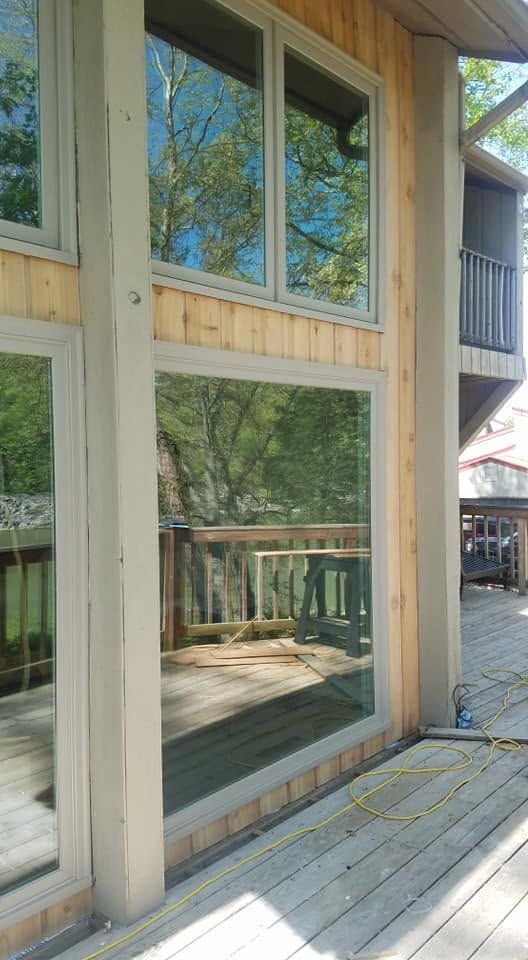
A new window installed over a rotted sill will not hold its seal or stay level. The sill is the bearing surface the unit sits on, and when it has been absorbing water through failed caulk or deteriorated trim, the wood underneath loses the density needed to hold fasteners and support the window's weight without flexing. Roberts and Sons Fine Carpentry replaces rotted sills before any new window goes in, so the finished installation rests on framing that can actually carry it.
Older homes in the Kodak area frequently have sill damage that is not visible from the exterior because the rot develops behind the trim where water sits without evaporating. Once the old window is removed and the rough opening is open, that damage becomes clear. The damaged sill is cut out and replaced, the rough opening is checked for squareness, and then the new window is set, taped, trimmed, and caulked with paper flashing at the head. That flashing step is what prevents water from migrating behind the casing and starting the same cycle over again.
Schedule a time for a window-by-window review of your home to identify which openings have sill or framing conditions that need to be addressed before replacement units are ordered.
Why the Rough Opening Inspection Drives the Installation
Before a replacement window is set, the rough opening needs to be square and the sill needs to be solid. An opening that is out of square by more than a quarter inch across the diagonal will cause the new window to bind in the frame, preventing it from operating smoothly or sealing properly at the corners. Checking squareness at the time of the old window's removal, not after the new unit arrives on site, allows any framing corrections to be made before installation is attempted.
After the installation is complete, the window should operate without resistance through its full range of motion, the gap between the frame and the rough opening should be uniformly filled with insulation and covered by the casing, and there should be no daylight visible around the interior trim. Roberts and Sons Fine Carpentry is licensed and insured, and the work carries a one-year warranty covering both the installation method and the flashing and caulk details that protect the opening from water entry.
The replacement scope on any given window depends on what the rough opening shows once the old unit is out.
Some openings need only sill repair; others have damage that extends up the king stud or across the header if water has been tracking along the framing for an extended period. The full picture is only available after removal.
Answers About How the Work Is Done
Window replacement on older homes raises practical questions about the sequence of work and why certain steps matter. The answers below focus on the installation process itself.
What happens to the rough opening before the new window is set?
The opening is measured for squareness and the sill is probed for rot or softness. Any damaged material is replaced and the opening is brought to square before the new window is positioned, shimmed, and fastened.
How is paper flashing installed and why is it part of the process?
Paper flashing is applied at the head of the rough opening before the exterior casing is nailed. It laps over the weather-resistant barrier on the wall and directs water that gets behind the casing away from the framing rather than letting it sit against the rough sill.
Why do older homes in this area tend to have more sill rot than newer construction?
Homes built with earlier trim profiles often used wood casing that butted directly against the sill with caulk as the only seal. Once that caulk cracked, water sat in the joint and wicked into end grain, which absorbs moisture faster than face grain. That pattern is common on homes from the mid-twentieth century and earlier throughout Sevier County.
How are replacement windows shimmed to stay level in an out-of-square opening?
Shims are placed at the sill corners and adjusted until the window sash operates without binding and the diagonal measurements across the unit are equal. The shims are then fastened in place and trimmed flush before the casing is installed.
What indicates a window replacement was done correctly?
The window should open and close without sticking, the casing should sit flat against the wall with no raised edges, and interior trim should cover the shim gap uniformly. No condensation should form between panes on a properly sealed insulated glass unit.
Roberts and Sons Fine Carpentry also
replaces windows in Pigeon Forge, Sevierville, Gatlinburg, Newport, and Knoxville. Call (865) 660-8874 to discuss what your specific openings will need once the old windows come out.