Old Siding Comes Off Before Rot Gets Covered
Siding replacement in Kodak for older homes where water damage behind the boards is hidden until the old material is removed
Wood sheathing that has been wet for years does not show itself until the original siding comes off. On older homes in Sevier County, that is the pattern: the exterior looks serviceable until tear-off reveals soaked or blackened sheathing and soft framing at the corners and trim locations where water finds its entry point. Roberts and Sons Fine Carpentry opens the wall fully before any new material goes on, which means rot and water damage get repaired rather than sealed behind fresh siding.
The process begins at the corners and trim, because that is where damage most consistently starts on wood-sided homes. Old siding is stripped, and any wet or rotted sheathing is torn off, allowed to dry, and checked for mold before a vapor barrier goes down. Only after the substrate is dry and structurally sound does the new siding get installed. Skipping that drying and inspection step is how a siding job that looks fine at completion develops problems within a few years.
Arrange a walk-around of your home's exterior to identify where corner and trim damage may be present before a replacement estimate is developed.
What Proper Siding Replacement Requires
A vapor barrier installed over sound, dry sheathing is what separates a replacement job from a cover-up. The barrier routes any incidental moisture that gets past the siding toward the bottom of the wall rather than letting it pool against the sheathing. On homes with older lumber framing, the sheathing boards themselves sometimes need partial or full replacement in sections where they have been saturated long enough to begin softening at the nail zones.
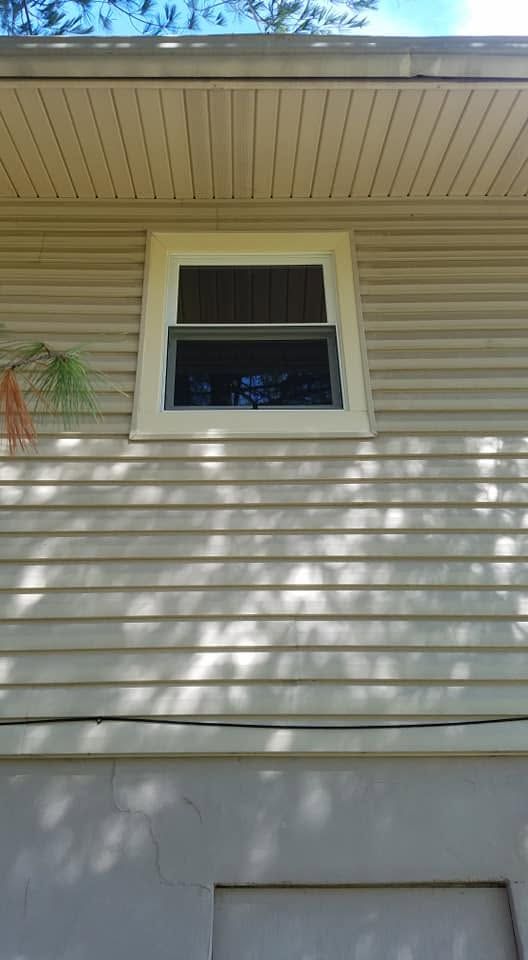
Once the new siding is on and corners are capped and caulked, the visible change is straightforward: no gaps at corner transitions, no paint bubbling along the trim lines, and no soft spots when you press against the wall surface near the base. Roberts and Sons Fine Carpentry is licensed and insured, locally owned, and backs siding work with a one-year warranty covering workmanship from installation through the first full year.
The decision between repairing individual boards and doing a full replacement generally comes down to what the sheathing looks like once the first section of old siding is pulled. Spot repairs can address isolated damage, but when the sheathing behind multiple sections has been wet long enough to develop mold or significant softness, full tear-off produces a more durable result than patching over compromised substrate.
Common Questions About This Service
Older homes across Kodak and the surrounding parts of Sevier County frequently have siding conditions that raise questions about what the replacement process actually involves. These answers cover the work itself.
How do you know whether the sheathing underneath needs to be replaced?
The sheathing is probed and visually inspected once the old siding comes off. Soft spots, discoloration, and visible mold growth are the indicators that replacement is needed rather than covering with a barrier alone.
What happens if mold is found behind the old siding?
Affected sheathing is removed and the framing cavity is allowed to dry before any new material closes the wall. Covering mold-affected material is not an acceptable step in the process regardless of how limited the affected area appears.
Why do corners and trim get checked first during siding replacement?
Water migrates to low points and to penetrations. Corner boards and trim create lapped joints where water can sit and wick sideways into the sheathing, which is why corner damage almost always precedes damage at the field of the wall.
What is a vapor barrier and why does it matter in this installation?
A vapor barrier is a membrane applied over the sheathing before siding goes on. It allows the wall assembly to breathe while blocking bulk water from reaching the wood, and it is what gives the new siding installation a substrate that resists the same moisture cycle that degraded the original.
How can you tell if siding was installed correctly after the job is finished?
Corners should be tight with no open gaps, trim should sit flush without raised edges, and caulk joints should be continuous at all penetrations. Pressing along the bottom course of siding should produce no flex or movement, which indicates the sheathing behind it is solid.
Roberts and Sons Fine Carpentry also performs
siding replacement in Sevierville, Pigeon Forge, Gatlinburg, Newport, and Knoxville. Call (865) 660-8874 to schedule a time to walk the exterior of your home and determine what the wall assembly will need once the old material comes off.